
Horticulture
Garden and Orchard Services
Designing an orchard or garden? Curious about permaculture practices, heirloom varieties, or incorporating natives? We have extensive knowledge and experience in orchard planning and garden design. Contact us for information or consulting.
Orchardry
New England Apple Culture
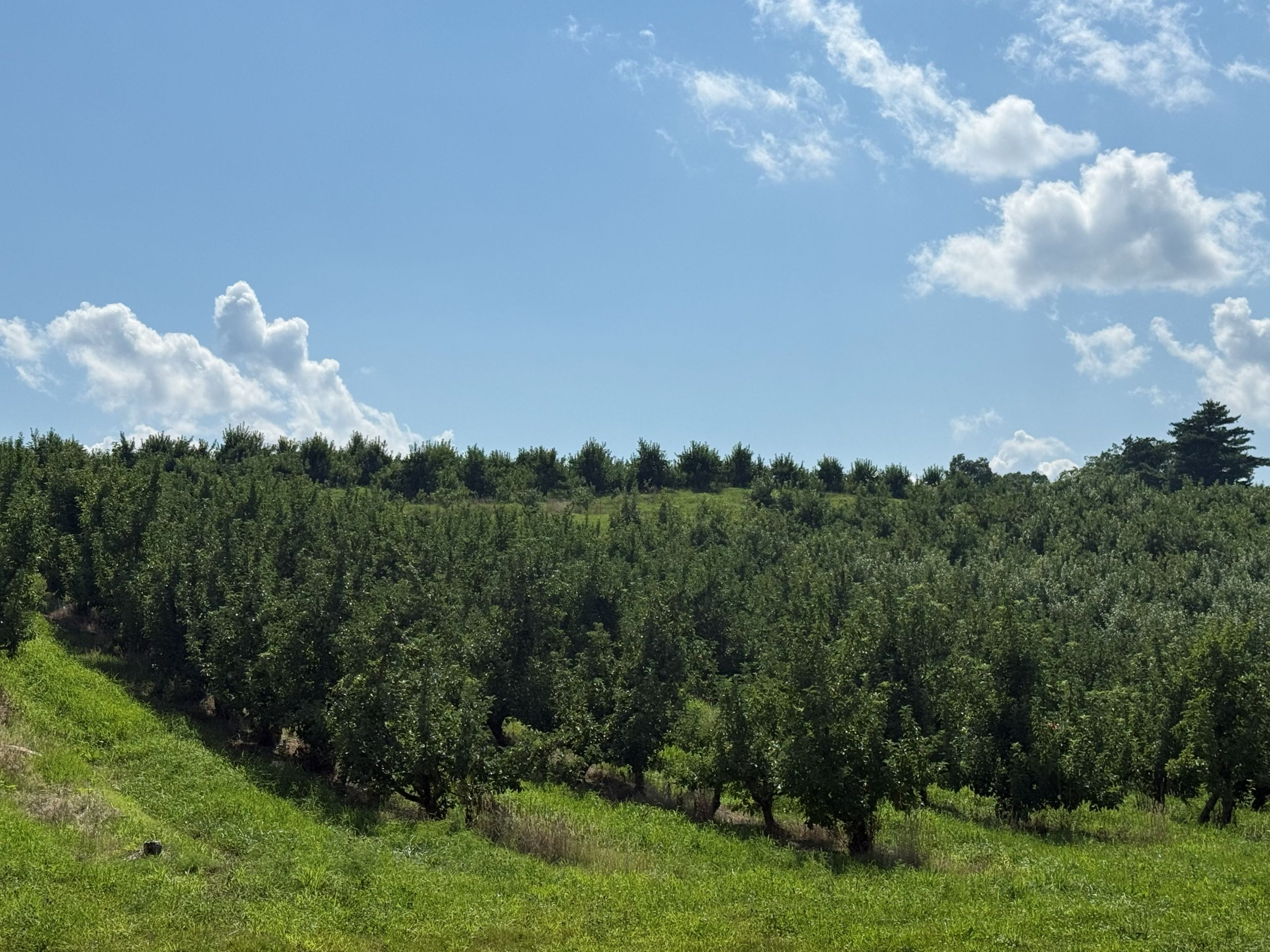
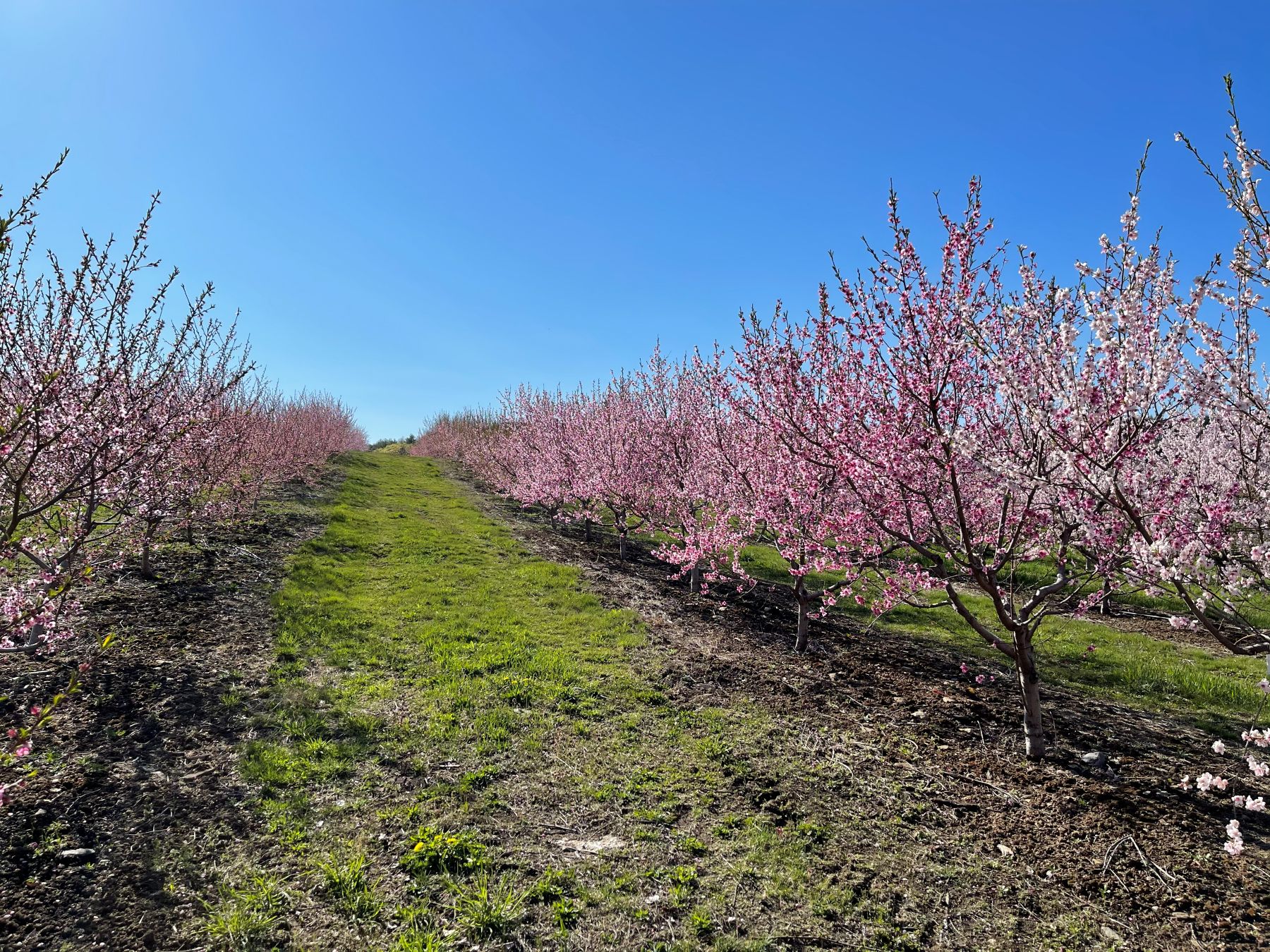
Apples are not just a crop in New England, but a way of life. The first European crop grown successfully in the Northeast. Due to the limitations of propagation in the colonial era and a unique region and climate, the earliest English settlers were forced to grow most of their apples from seed rather than traditional grafting. These conditions brought the creation of a unique New England apple culture and identity as old as the first settlers to reach the continent.
Heirloom Apples
Historically, apples were far more than an enjoyable snack. Apples were a staple crop that people depended on for their survival. Apples serve many more purposes than just fresh eating or baking into pies and pastries. Apples are a reliable storage crop that could keep reliably well into the winter. Apples are pressed into cider which can be fermented into an enjoyable beverage and a historical source of hydration.
Heirloom Varieties
Heirloom varieties offer many advantages over modern commercial cultivars and should be considered in any apple planting.
Stronger and more resistant
Built for survival and reliability, many heirloom varieties grow much stronger and more robust apple trees. Heirlooms can also offer better resistance to many common apple diseases and orchard pests.
More ways to enjoy the harvest
Heirloom apples were bred to help the people growing them survive. Heirloom varieties offer more specialization. Baking varieties offer more flavor and texture in pastries and baked goods. Storage apples last for months and keep their shape and condition, developing flavor over time.
Exceptional quality cider
There are dozens of heirloom apple varieties from many different countries around the world. Cider apples are grown for their intense flavor and bitter tannins. While not the best for fresh eating, these varieties bring sharp and tannic flavor and refined character to any cider blend.
Invaluable culture and identity
Heirloom apple varieties carry centuries of culture and tradition. Their wide range of uses and unique characteristics are unmatched in the orchard. Rare or iconic varieties, special flavors or colors, and local history and tradition make heirloom apples a highly desired offering for discerning growers and commercial orchards.
Propagation
Grafting
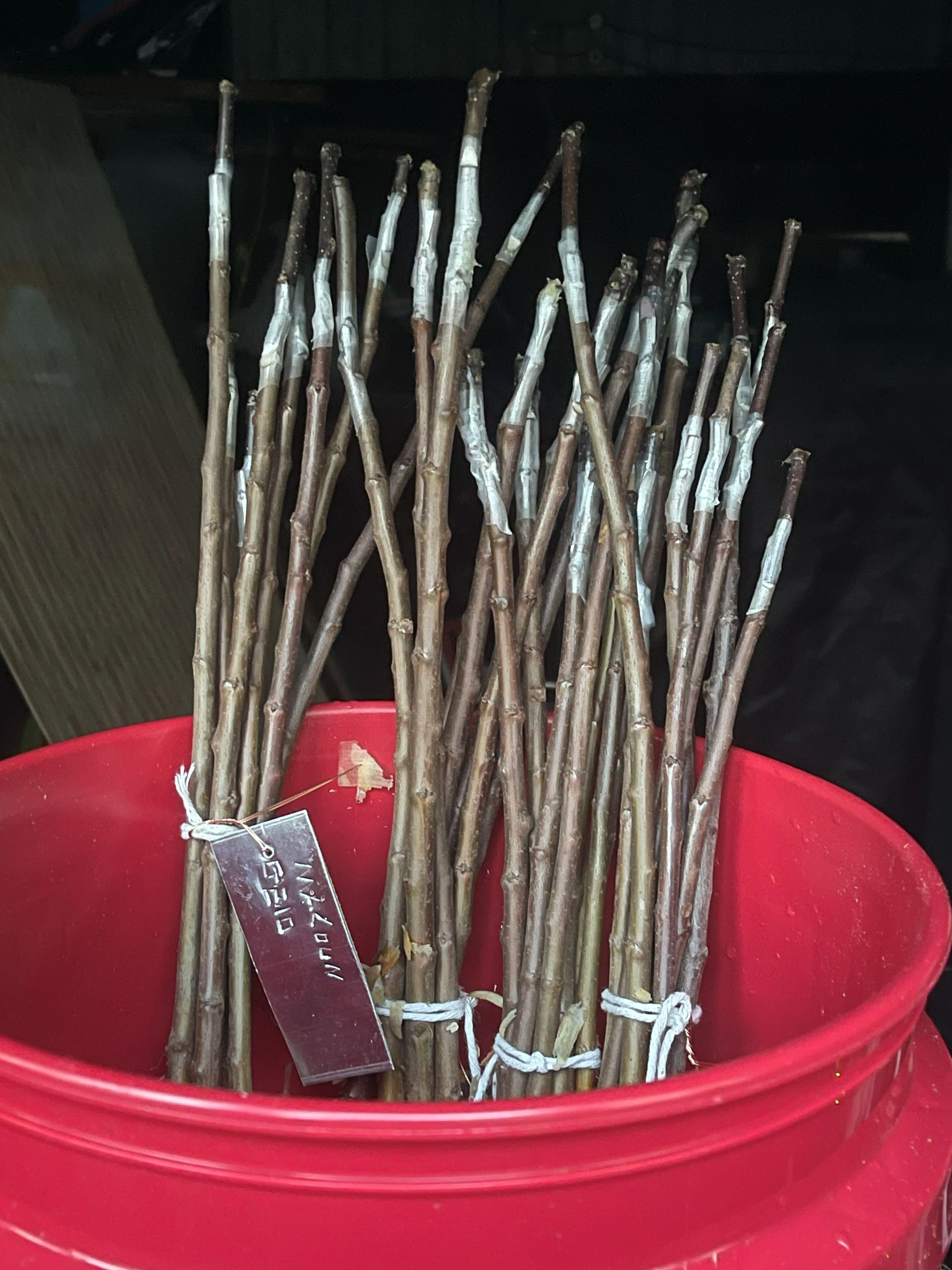
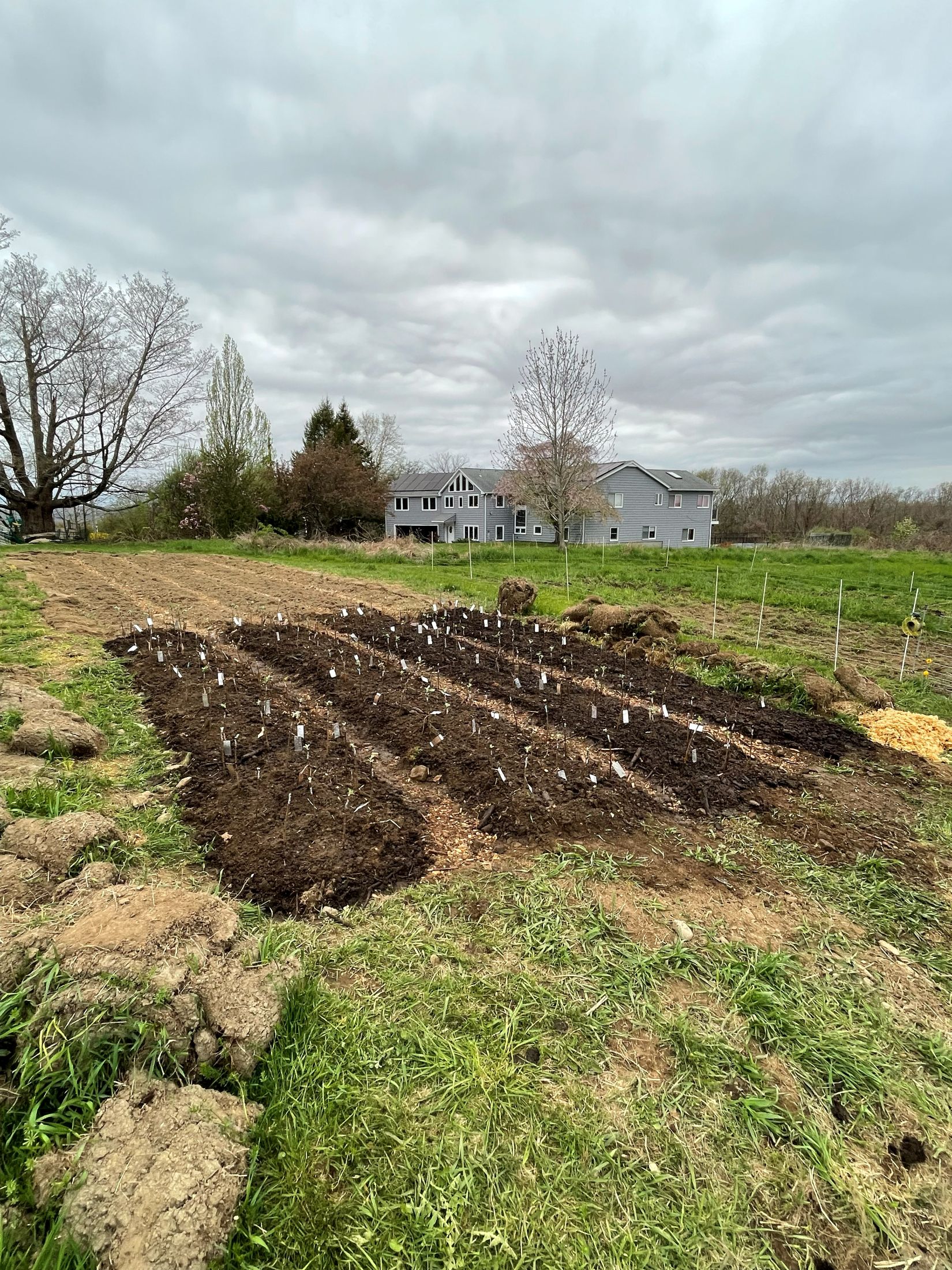
The most effective way to grow consistent fruit trees is grafting. Grafting is the propagation of known varieties on hardy and reliable rootstock through splicing two separate plants together. We can grow any quantity of most fruit trees with grafting stock, including rare and heirloom varieties.
Seedlings
For some trees and plants, it is preferred to grow from seed. Growing from seed makes it easy to propagate a very large amount of plants. Some plants do not graft well, or the traits do not have to be perfectly identical. Growing from seed brings a larger genetic diversity to your planting. More diversity in an orchard or garden makes the entire ecosystem more resilient to climate stressors and pest pressure.
Permaculture
Permaculture Principles
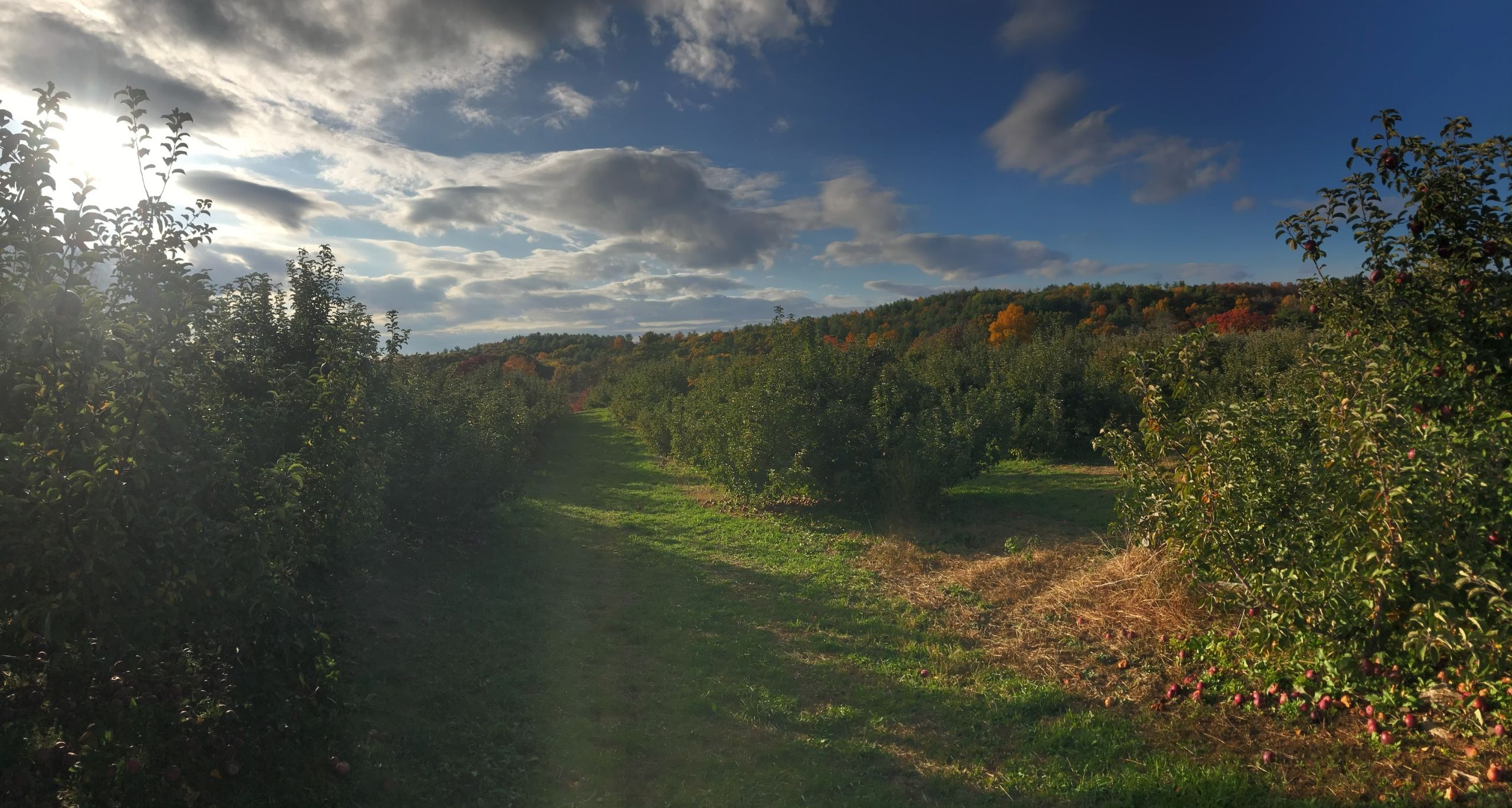
Permaculture embodies a complete practice of principles related to sustainable growing and farming. While not every planting must adhere to all of them, there are many great benefits to permaculture growing that can be applied to any orchard or garden.
Interplanting
Interplanting, or planting different types of plants next to each other prevents buildup and proliferation of pests spreading throughout an orchard or garden. Pests and disease are often specialized to attack one type of plant. Simply changing what they are planted next to can help contain and prevent infestations.
Nitrogen Fixing
Nitrogen fixers are plants that fix nitrogen in the soil with the help of beneficial bacteria. Planting them in your orchard or garden and using techniques like chop and drop mulching can help drastically reduce your reliance on fertilizer or other inputs.
Mulching
Mulching is an extremely important and often ignored part of any orchard or garden. A thick layer of appropriate mulch protects your plants and soil, blocks weeds from growing, and retains water in the ground. Mulch helps keep your soil alive, and active, protecting microbes from the sun and exposure, while retaining water through dry periods. Active mulching will reduces or eliminates your need for irrigation, and prevents weed growth naturally without the need for herbicides.
Maintaining an Ecosystem
Your orchard or garden is not some random assortment of plants removed from their environment, but a complete ecosystem that you maintain. By acknowledging your orchard or garden for what it is, you can begin to care for it as a complete system. Strong and healthy plants do not grow alone, they need an intact environment complete with a network of microbes and mycorrhizae, pollinators, and animals and insects to support their growth and keep the ecosystem in check.
Planting Natives
Growing Native Plants
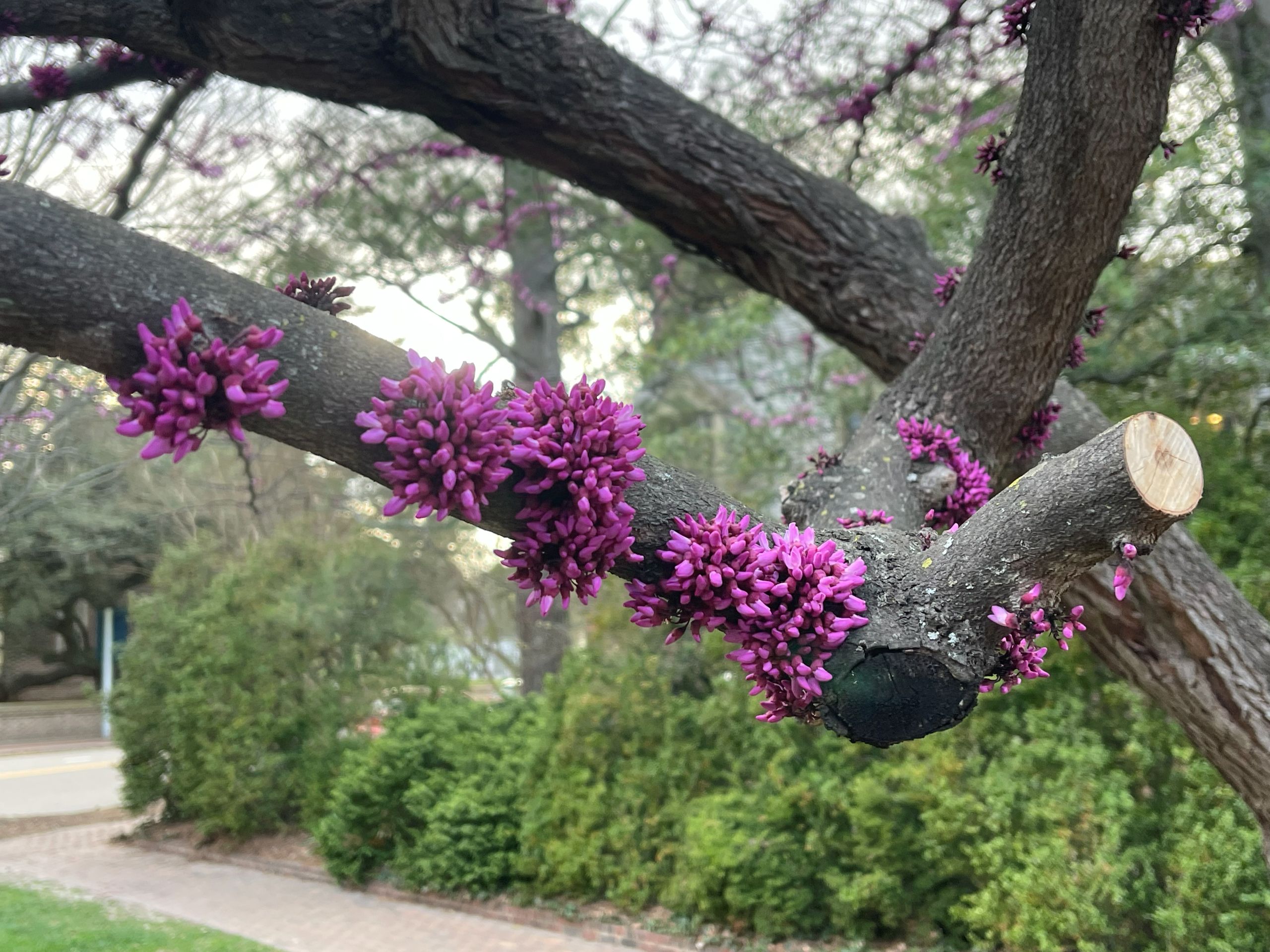
Every orchard or garden can benefit from incorporating natives. Each region and ecosystem has its own unique host of native plant species that can contribute to your planting besides just looking good.
Native Fruit
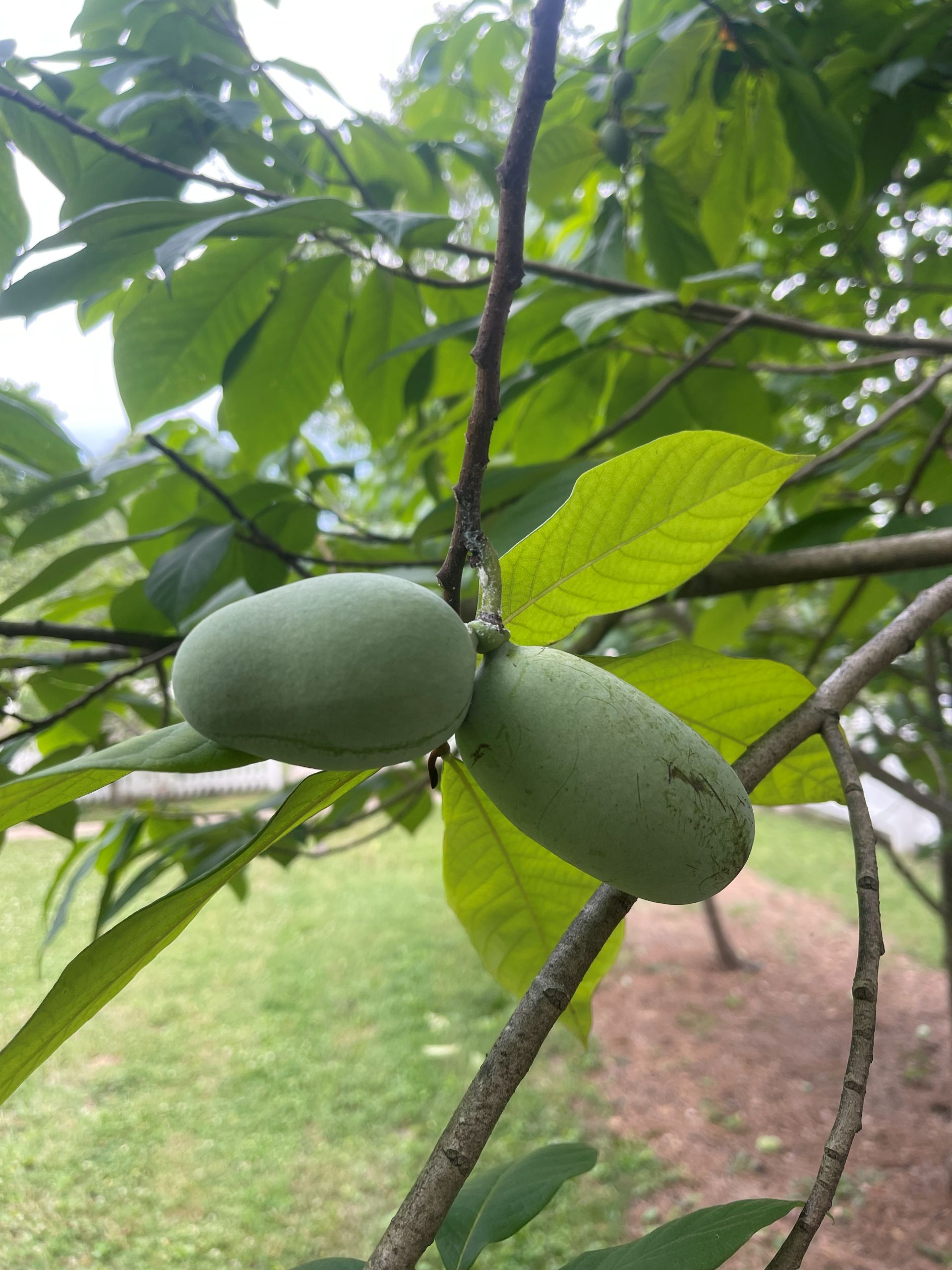
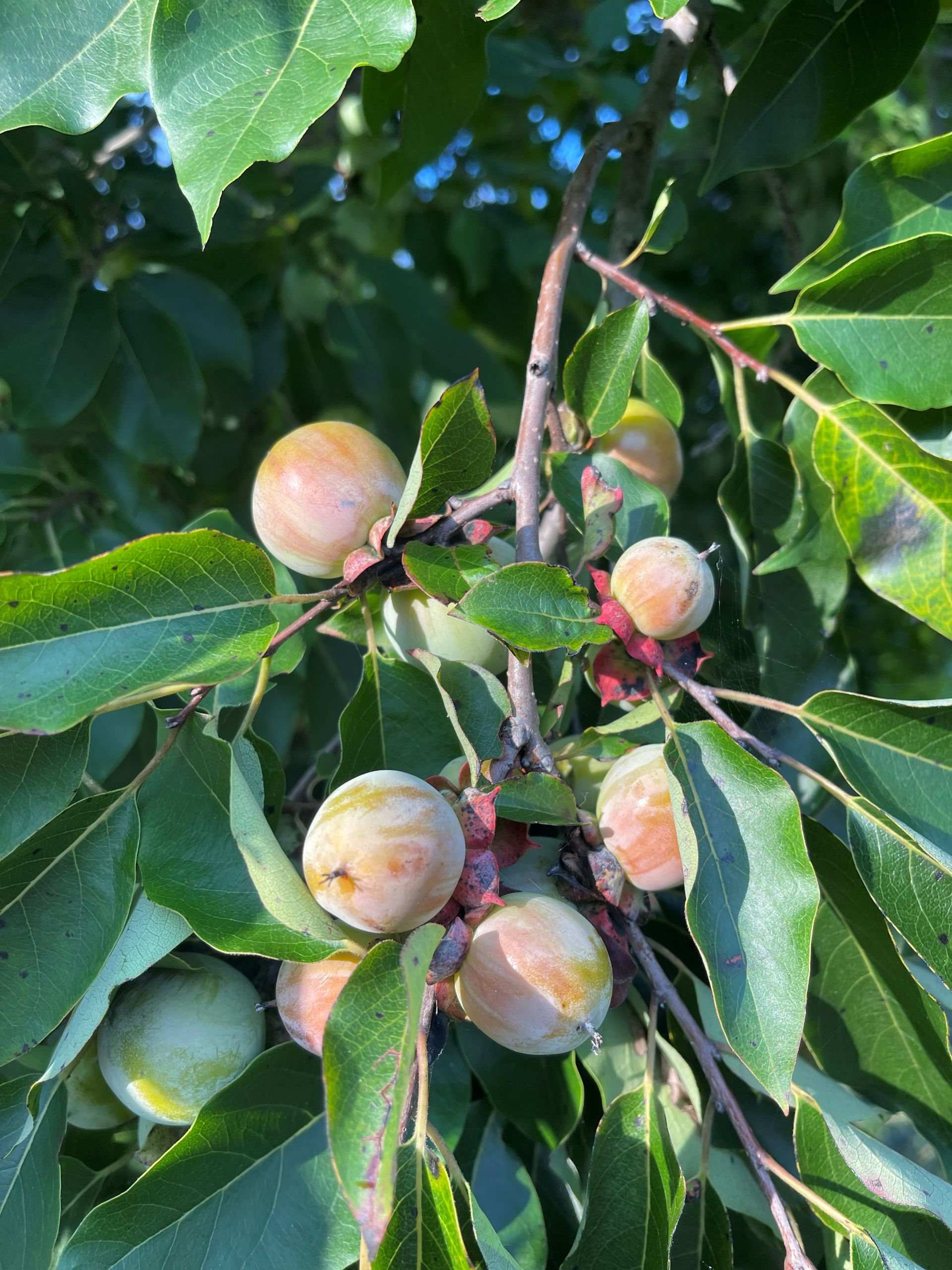
There are edible native food crops to every region and climate. Fruits like the Pawpaw and American Persimmon or the Red Mulberry are native to much of eastern north America. They can be grown all throughout temperate climates and produce unique enjoyable fruits. Growing native fruits in an orchard extends your season, providing fresh fruit in seasons where standard orchard trees are not producing. These natives also support your living orchard or garden ecosystem, and are incredibly resistant and well adapted to their native climates. Native fruits like the Pawpaw are also quite rare and cannot be found in stores, making them highly sought after.
Native Ornamentals
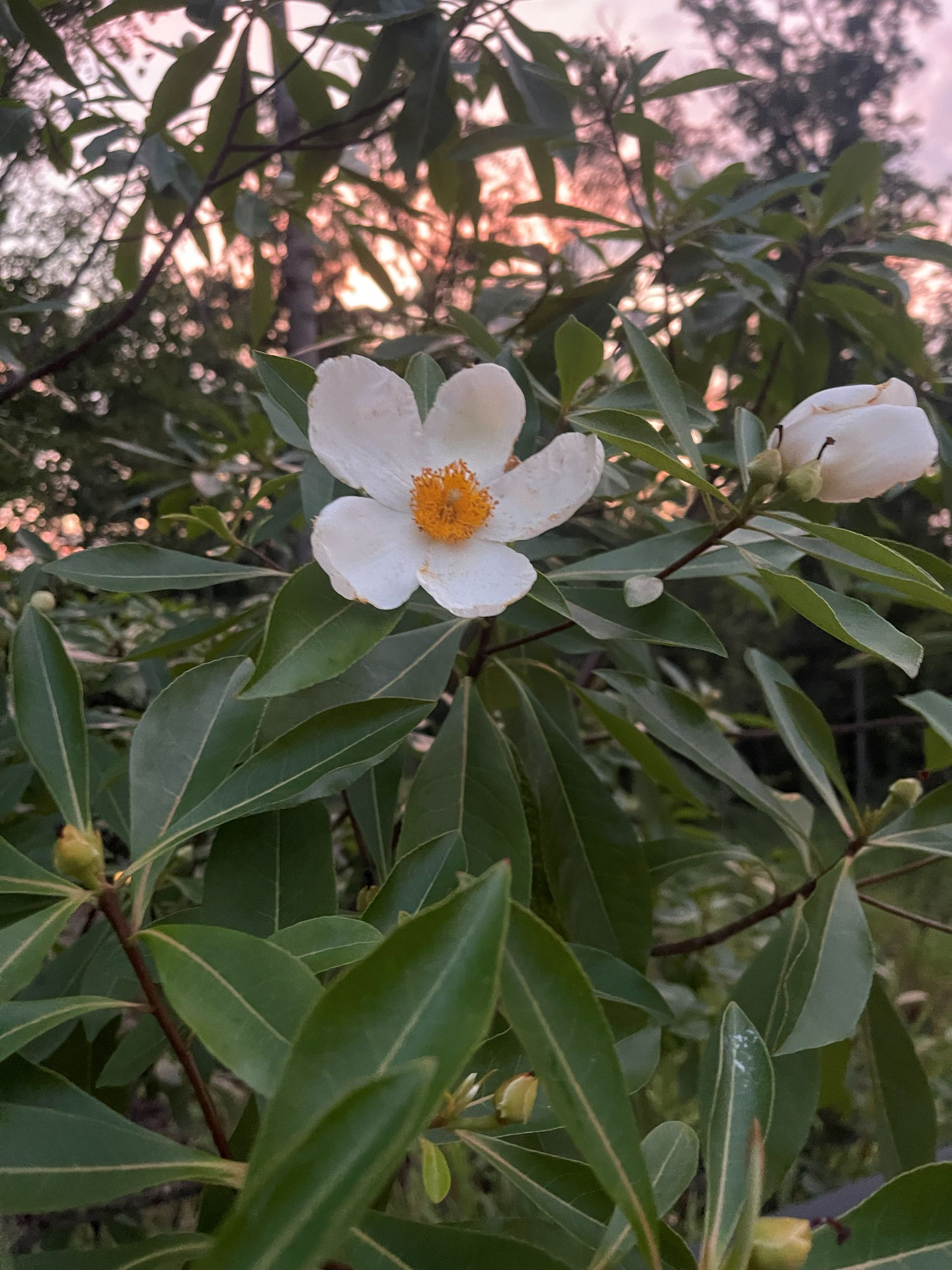
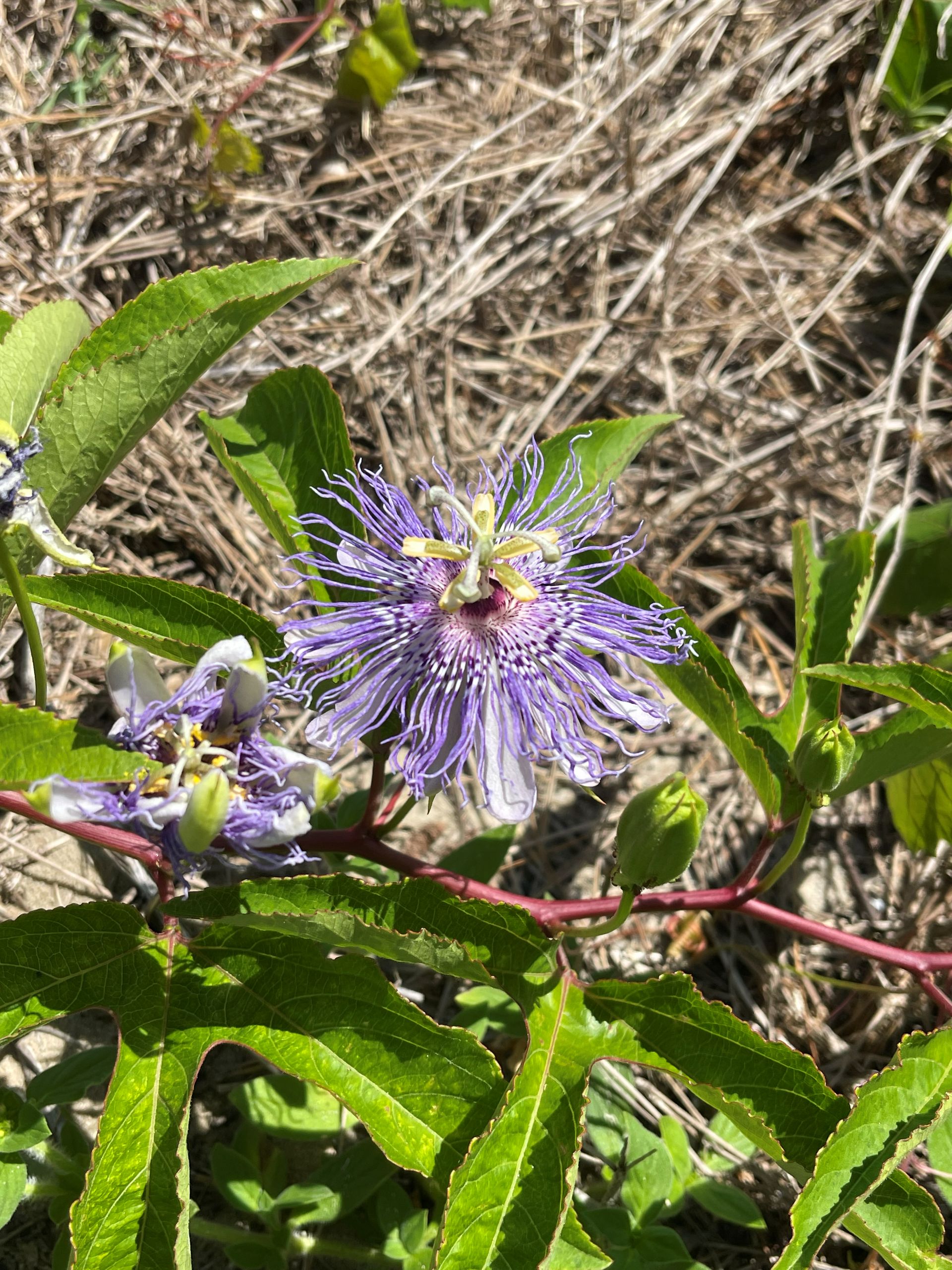
Native plants are extremely underutilized in ornamental gardens. Many native plants have beautiful blooms and attractive growth habits. Natives are adapted to their environment, making them far more resilient to climactic events like droughts or frosts. They grow as a part of an ecosystem, attracting pollinators like butterflies, hummingbirds, and native bees while being naturally resistant to pests. There are many native plants that can easily replace common garden stock that falls susceptible to pests or climate stress. There are also countless options for rare or unique natives that serve as exceptional statement pieces.